


Product Introduction
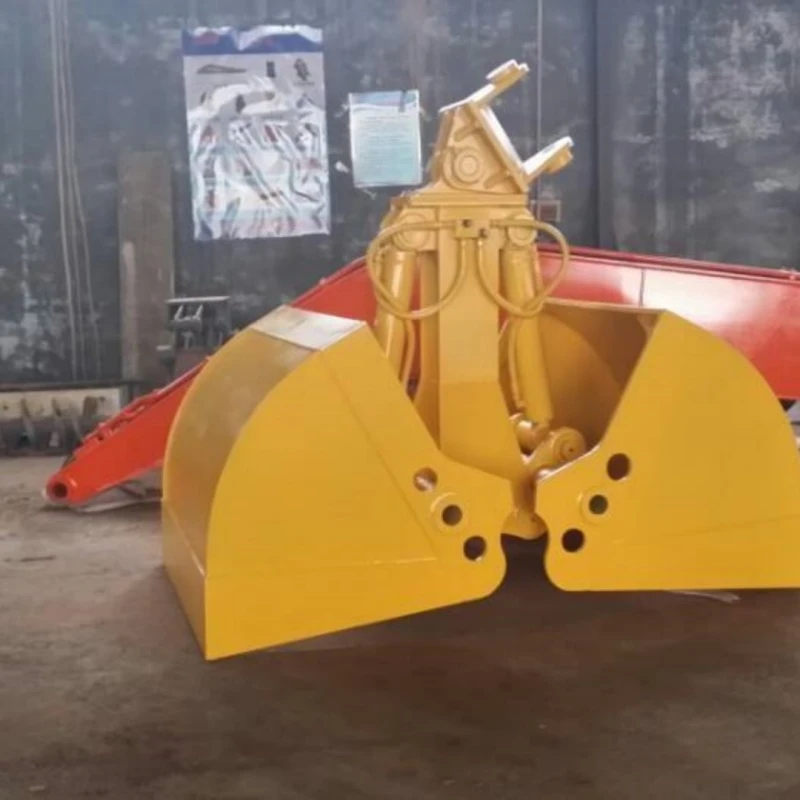
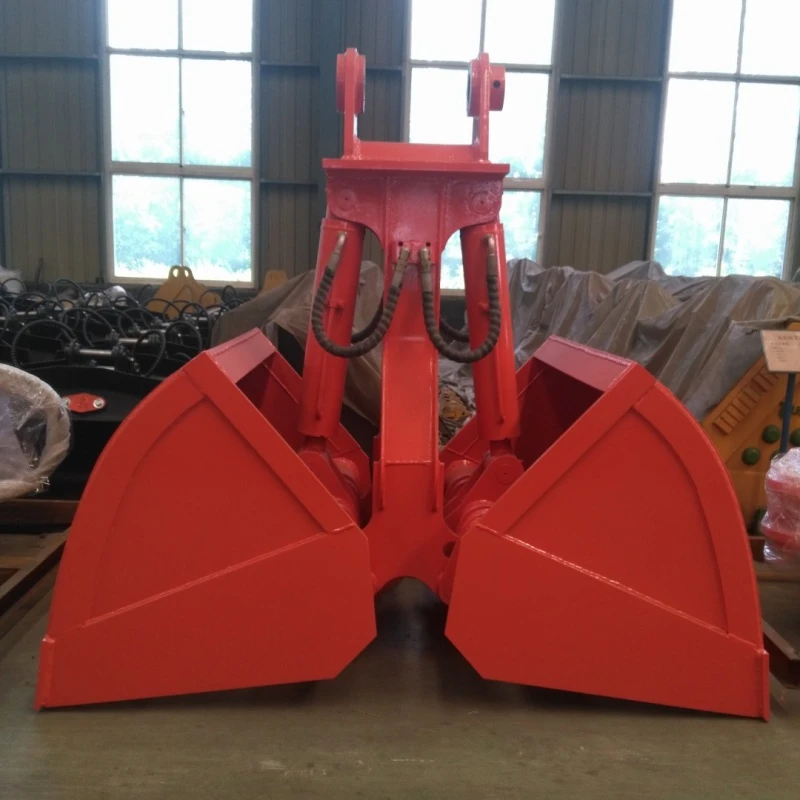
The hydraulic clamshell bucket is a two-jaw attachment powered by a hydraulic cylinder. The jaws open and close vertically, which makes it useful for digging in deep, narrow, or hard-to-reach areas. It also handles loose material such as sand, gravel, topsoil, and debris. It fits mini excavators up to larger machines, depending on the model.
Product Features
Dual-shell opening design: The two jaws open and close smoothly for reliable grabbing and controlled material release.
Hydraulic operation: Powered by the excavator's hydraulic system, allowing precise bucket movement from the cab.
Reinforced structure: Heavy-duty steel construction is designed to withstand repeated loading and demanding working conditions.
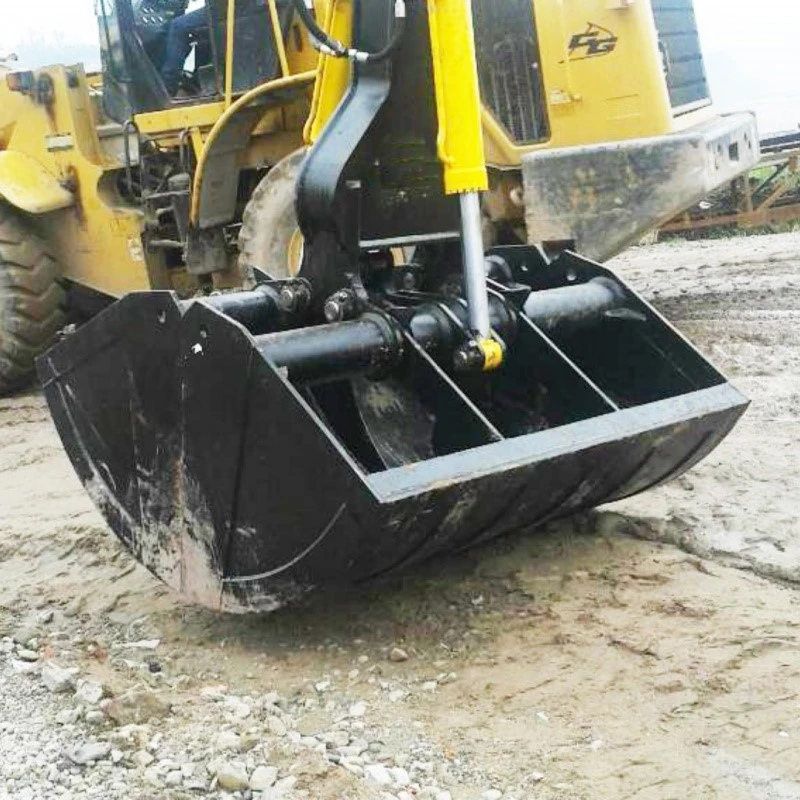
Flexible attachment: Available for different excavator sizes and mounting configurations.
Good visibility: The compact jaw structure helps operators maintain a clear view of the working area during material handling.
Product Details
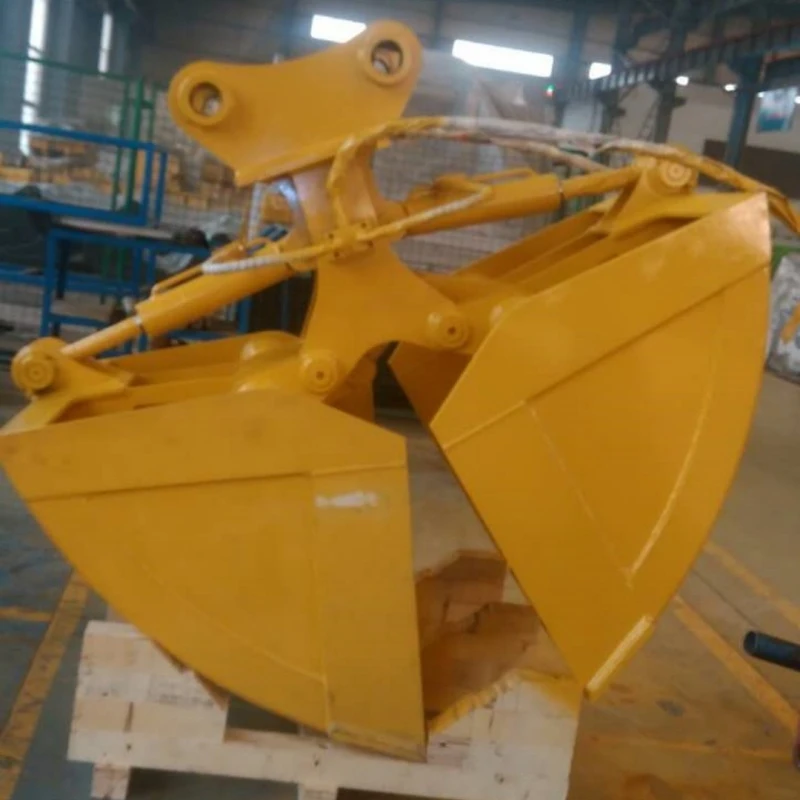
The bucket is built around a reinforced frame with hydraulically operated shells and wear-resistant contact areas. Hydraulic cylinders provide the closing force needed to grip materials securely, while carefully positioned pivot points support smooth movement.
Depending on the working application, the bucket can be configured with different shell capacities, tooth arrangements, hydraulic components, and mounting options. The connection system can also be matched to the excavator to ensure proper fit and stable operation.
Technical Specifications
|
Item |
Specification |
|
Product Type |
Hydraulic Clamshell Bucket |
|
Compatible Equipment |
Excavators |
|
Bucket Capacity |
0.3–2.0 m³ |
|
Shell Type |
Two-shell / clamshell design |
|
Material |
High-strength wear-resistant steel |
|
Hydraulic System |
Excavator hydraulic circuit |
|
Attachment Method |
Pin-on or customized quick coupler |
|
Application |
Digging, loading, dredging, material handling |
|
Customization |
Size, capacity, teeth and mounting available |
Specifications may be adjusted according to excavator model and working conditions.
Typical Applications
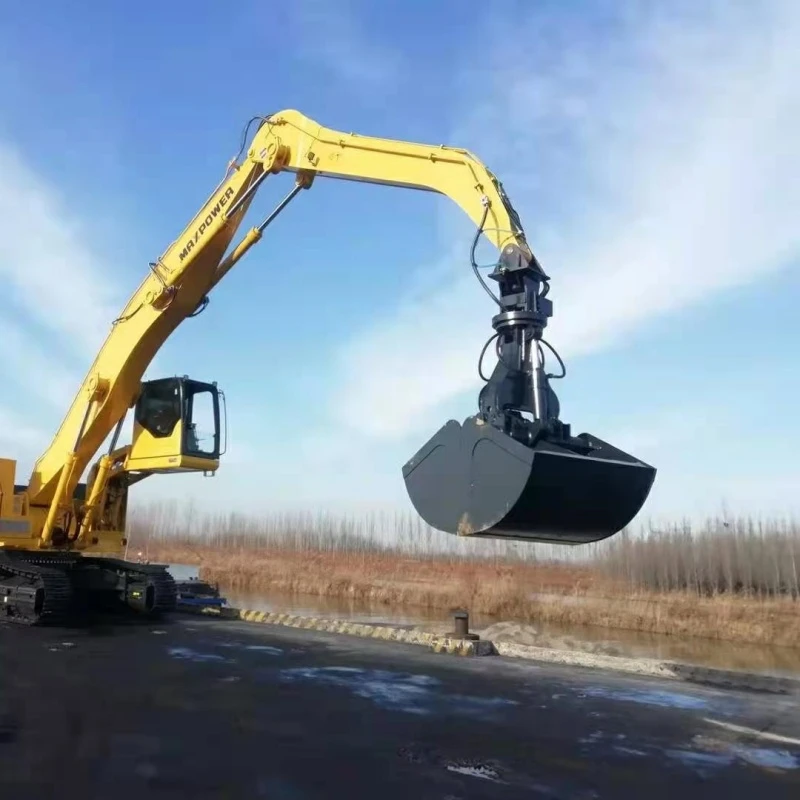
This attachment works well where materials need to be picked up and placed accurately rather than simply scooped from the ground. Common applications include loading sand, gravel, soil, coal, scrap materials, and other loose bulk products. It is also useful for trench work, foundation excavation, river and harbor maintenance, dredging operations, landscaping projects, and material handling in restricted spaces.
For underwater or deep-pit work, the vertical grabbing action can be particularly useful because the operator can position the bucket over the target area before closing the shells.



Key Advantages
A well-designed hydraulic clamshell bucket can improve handling efficiency without requiring a separate lifting machine. The controlled opening and closing movement makes it easier to pick up uneven or loose materials, while the reinforced construction supports long-term use in demanding environments.
Another benefit is adaptability. By selecting the right capacity, mounting system, and shell configuration, contractors can match the attachment to different excavator models and job requirements. This makes the bucket suitable for both routine handling and specialized excavation tasks.
FAQ
Q: 1. What excavators can use this bucket?
A: It can be matched with different excavator classes, depending on bucket weight, capacity, hydraulic flow, and mounting dimensions. The excavator model should be confirmed before selecting the configuration.
Q: 2. What materials can the bucket handle?
A: It is suitable for loose materials such as sand, gravel, soil, coal, scrap, and similar bulk materials. Specialized configurations can be considered for more demanding applications.
Q: 3. Can the bucket be customized?
A: Yes. Capacity, shell size, teeth, mounting dimensions, hydraulic components, and other details can be adjusted to suit specific equipment and working conditions.
Q: 4. Is hydraulic installation complicated?
A: The bucket connects to the excavator's hydraulic circuit through the appropriate hoses and fittings. Installation requirements depend on the excavator and attachment configuration.
Q: 5. How do I choose the right bucket size?
A: Consider the excavator's operating weight, hydraulic capacity, lifting capability, material density, and the required digging or handling depth. Matching these factors helps ensure stable and efficient operation.
Hot Tags: hydraulic clamshell bucket, China hydraulic clamshell bucket manufacturers, factory


